
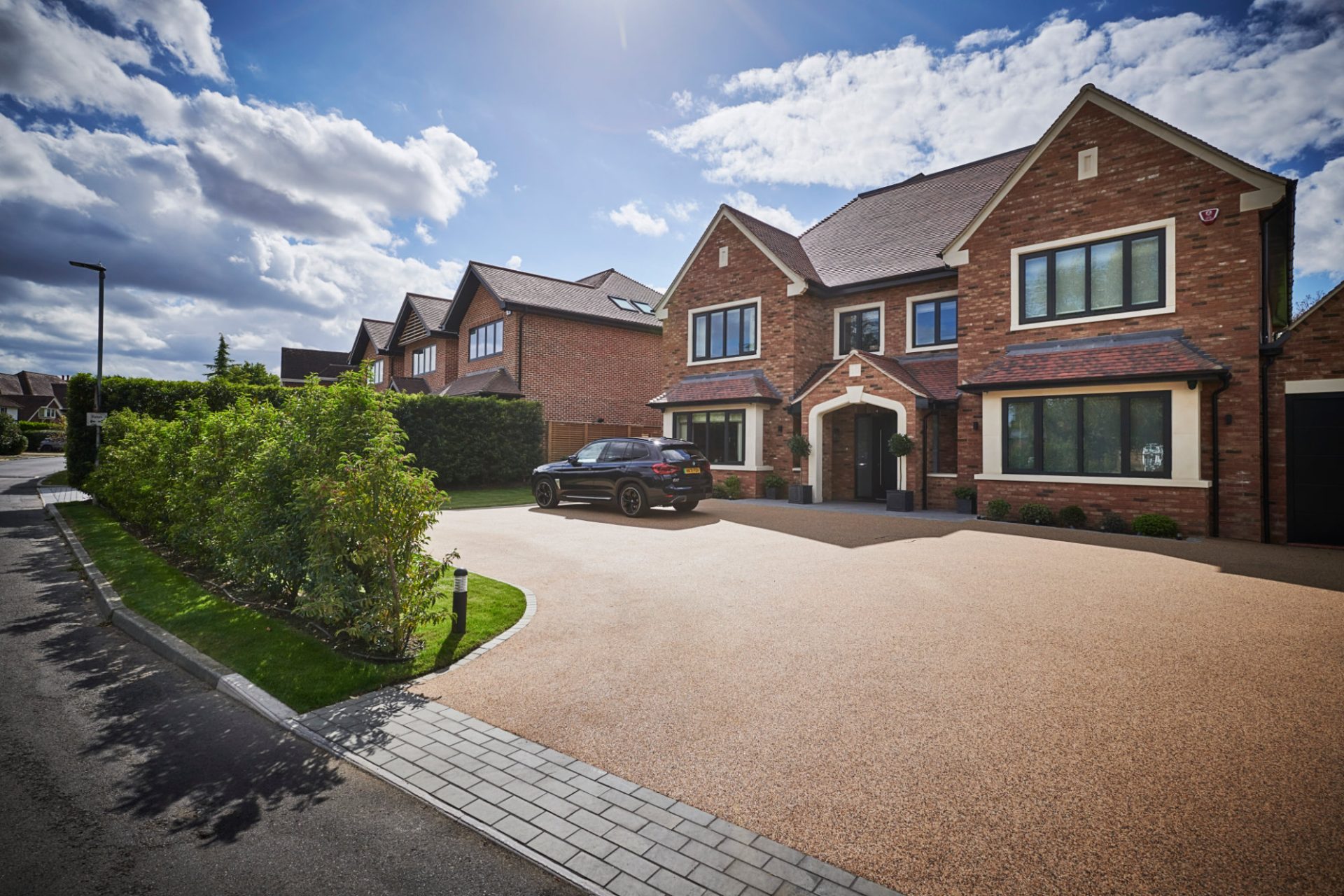
Thinking about a new driveway? Before you start picking out paving styles or booking an installer, it’s important to know whether you’ll need planning permission, especially here in Hertfordshire, where local rules and road types can vary.
When You Don’t Usually Need Planning Permission
Good news! in most cases, if you’re replacing or installing a driveway on your own property (and sticking to certain rules), you won’t need permission. You’re generally covered under what’s called “permitted development rights.”
You won’t need planning permission if:
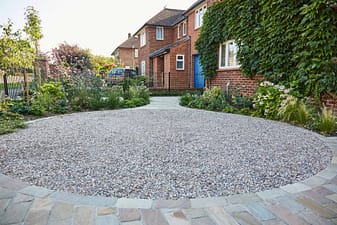
- The surface is permeable, like gravel, porous block paving, or it drains into a lawn or flower bed.
- The driveway is under 5 square metres if it’s non-permeable (like tarmac or traditional paving).
- It doesn’t lead onto a main road or need a new vehicle crossover (dropped kerb)
Why Permeable Surfaces Matter
The government is big on preventing flooding and protecting drainage systems. So, if your driveway won’t allow water to soak into the ground naturally, you may need permission.
We always recommend using permeable materials – not just to skip red tape, but because they’re more eco-friendly and often look great too!
What If You Need a Dropped Kerb?
If you’re creating a brand new access to a road, especially on A-roads or B-roads, you’ll likely need to apply to Hertfordshire County Council for permission to install a dropped kerb.
This process usually involves:
- An inspection from the council
- Proof that the driveway won’t create hazards
- Approval before any digging starts
Top tip: Don’t arrange the driveway install until you’ve got the kerb approved, otherwise, you could end up in a sticky situation!
Listed Buildings or Conservation Areas
If your home is listed or in a conservation area, extra rules will likely apply. You’ll need to speak with your local planning department for advice, as even small surface changes might require consent.
Handy Links For Herfordshire Driveway Applications And Guidence
Here are a few useful places to check or apply:
Planning Portal – Driveways Guidance
To sum it up, most homeowners in Hertfordshire won’t need planning permission for a driveway, as long as water can drain naturally and you’re not making a new access onto a main road.
If you’re unsure, just ask us! At Hertfordshire Drives and Landscapes, we’ve helped loads of homeowners get the right setup and we’re always happy to give free advice before you commit to a design.
Hertfordshire County Council – Dropped Kerbs Info